

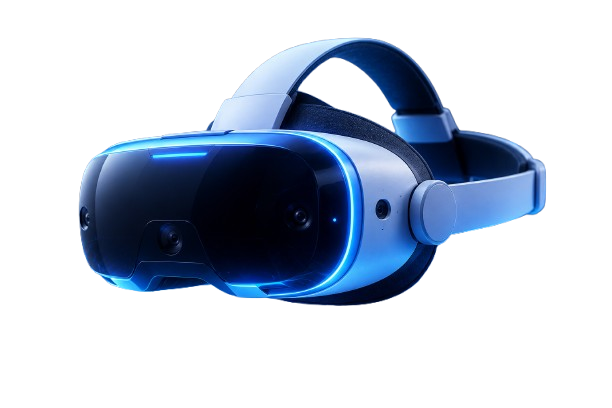
The digital world is changing how we interact with technology. Wearables are part and parcel of a daily routine, whether you’re using a smartphone or a smartwatch. With smart glasses technology, a new avenue for information is opening that leaves hands free.
Smart Glasses are a fusion of traditional glasses and cutting-edge technology. They come with various features such as cameras, sensors, AI features, navigation, sound, and more intelligent features, depending on the model. These features can assist users to remain connected without having to keep continually reaching for their cell phones.
How Smart Glasses Technology Works
There are several parts of smart glasses technology that are interconnected at the core. Cameras are able to collect data from a camera environment. Movement detection and various smart features can be provided using sensors. With the help of AI, the information can be understood and acted upon based on the user’s instructions.
Smart glasses can be easier to use with voice interaction. Users can communicate with the AI assistant using voice commands, rather than opening an app or typing on a phone. This is a hands-free method that can make tech easier for your everyday life.
Smart glasses can also assist in navigating and giving directions. Accessible information for users when they are walking, driving or visiting new locations. Smart Glasses are more than just glasses—they represent a fusion of technology, including AI, sensors, and cameras, providing enhanced functionality and capabilities.
The reasons for the popularity of smart glasses.Why smart glasses are gaining popularity.
One of the biggest advantages of smart glasses technology is convenience. The smartphone is already in use for communication, navigation, information and entertainment. Smart Glasses can offer another method of accessing some of these functions, without requiring the user to put their hands in their pockets.
Students have the opportunity to learn about smart technology as they learn. Hands-free assistance to use during daily activities for professionals. Navigation functions can be helpful to travelers. Technology buffs can play with a brand new generation of wearable devices.
Accessibility can also be enhanced with smart glasses. Interactive capabilities such as audio information and other features that use AI might provide assistance to users in understanding the information they’re surrounding. This means wearable technology is a fascinating space to explore for new innovations.
A future with smart glasses.The future of smart glasses.
With the advancement of AI, sensors, cameras and wearable computing, the future of smart glasses technology appears bright. The manufacturers are striving to make their devices smaller, provide better battery life, enhance their artificial intelligence (AI) features, and make their devices more useful for everyday life.
Our smart glasses are meant for those who would like to embrace this emerging technology this day. They are equipped with cameras, sensors, navigation support and a modern design, combined with AI assistance to offer an easy method of exploring connected wearable technology.
Smart glasses are not a thing of the future! They represent a new approach to interacting with technology. Smart glasses technology has the potential to be a key component of the future communication, learning, traveling, and information acquisition.